Lesson: Literature
📖 Gallery: Literature
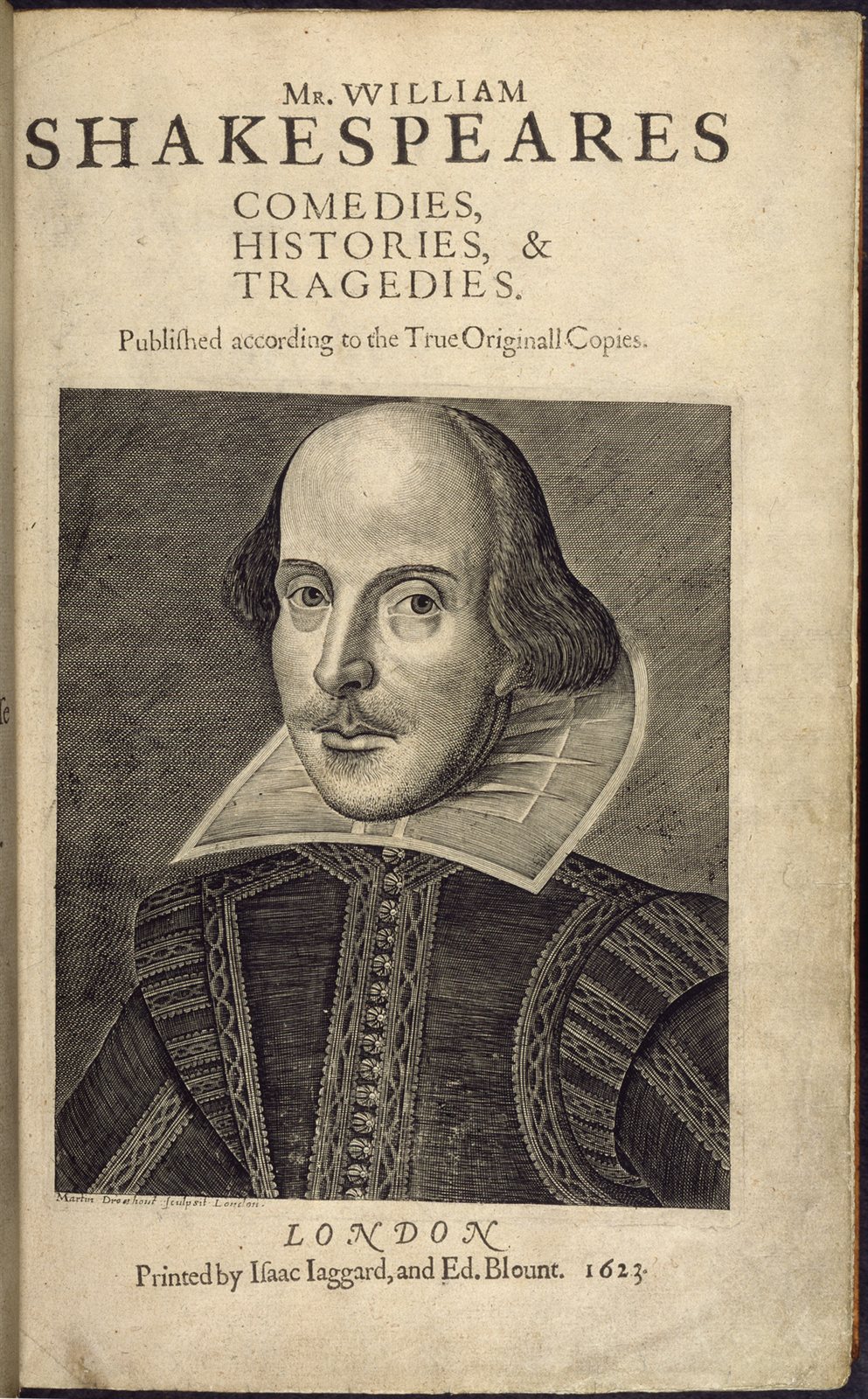
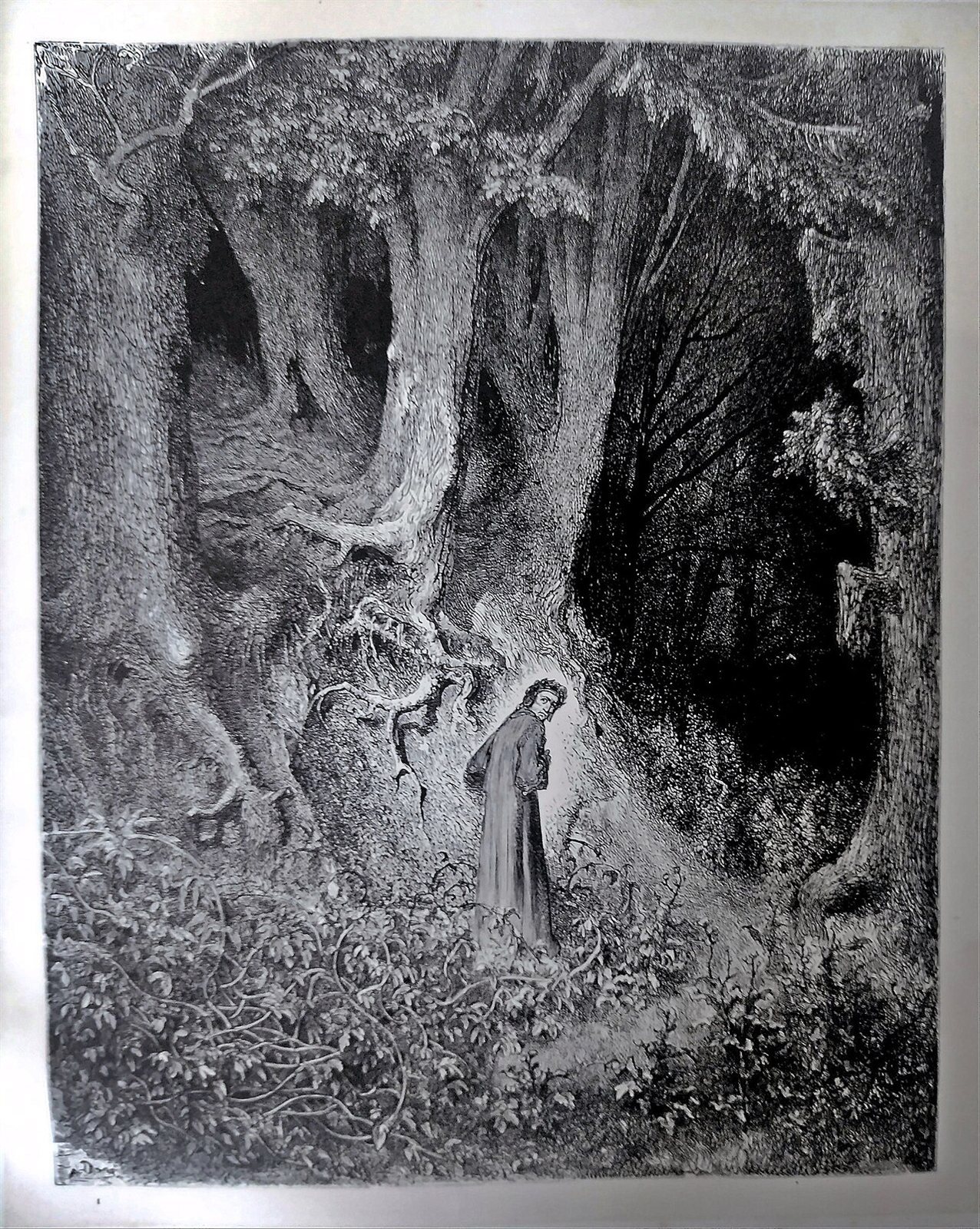
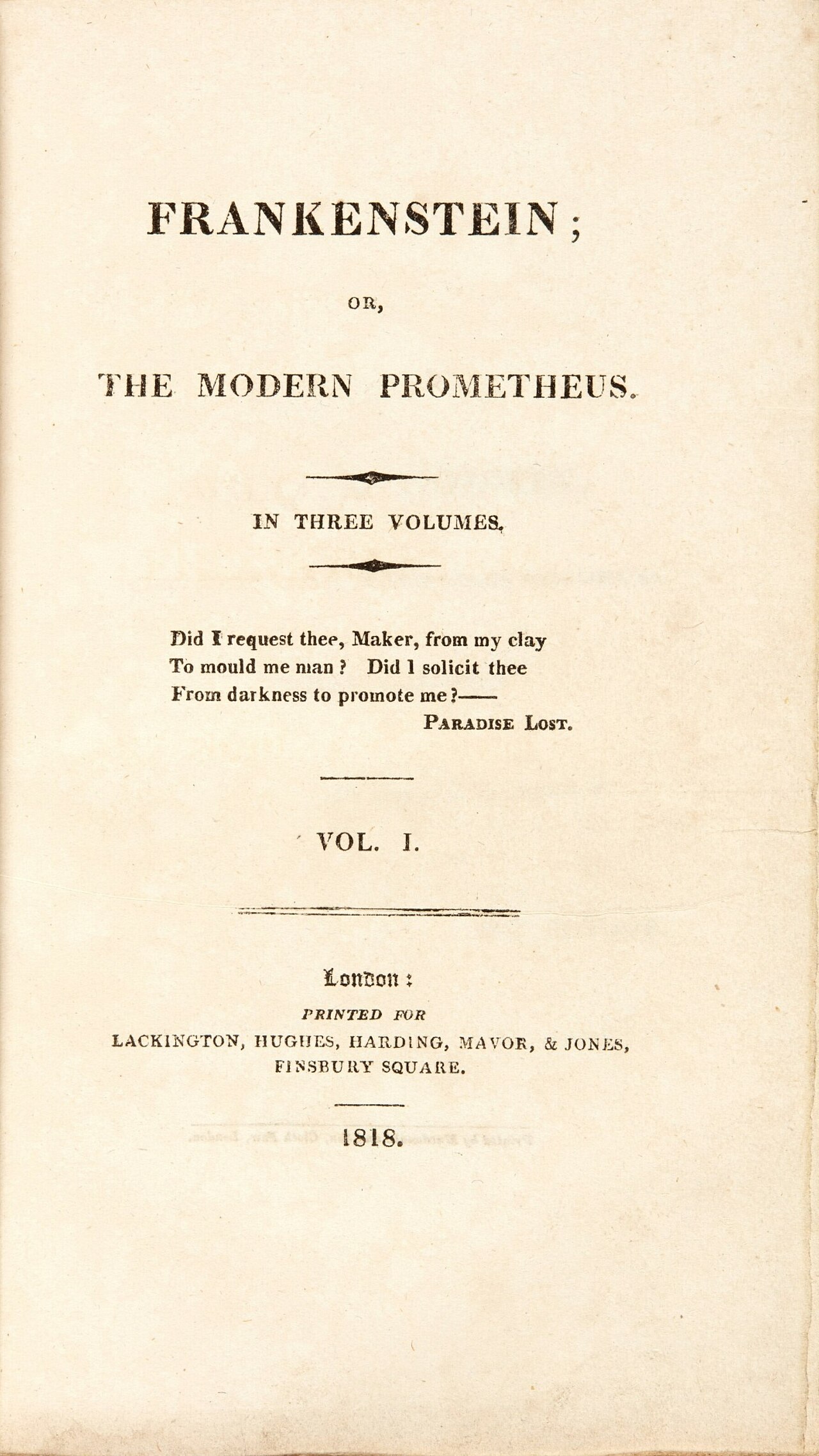
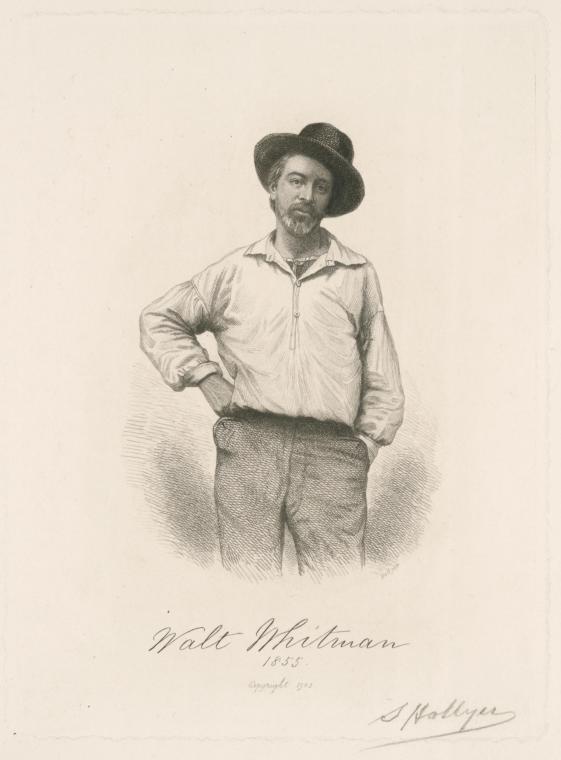
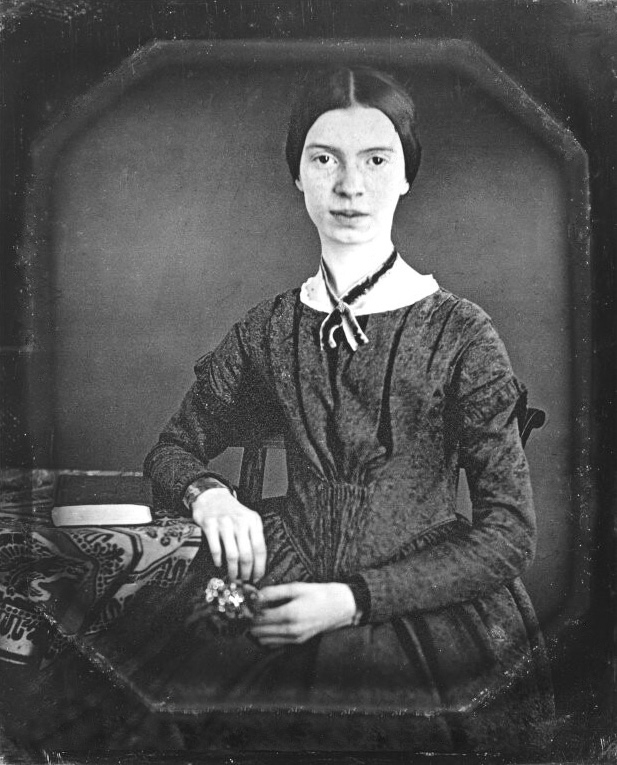
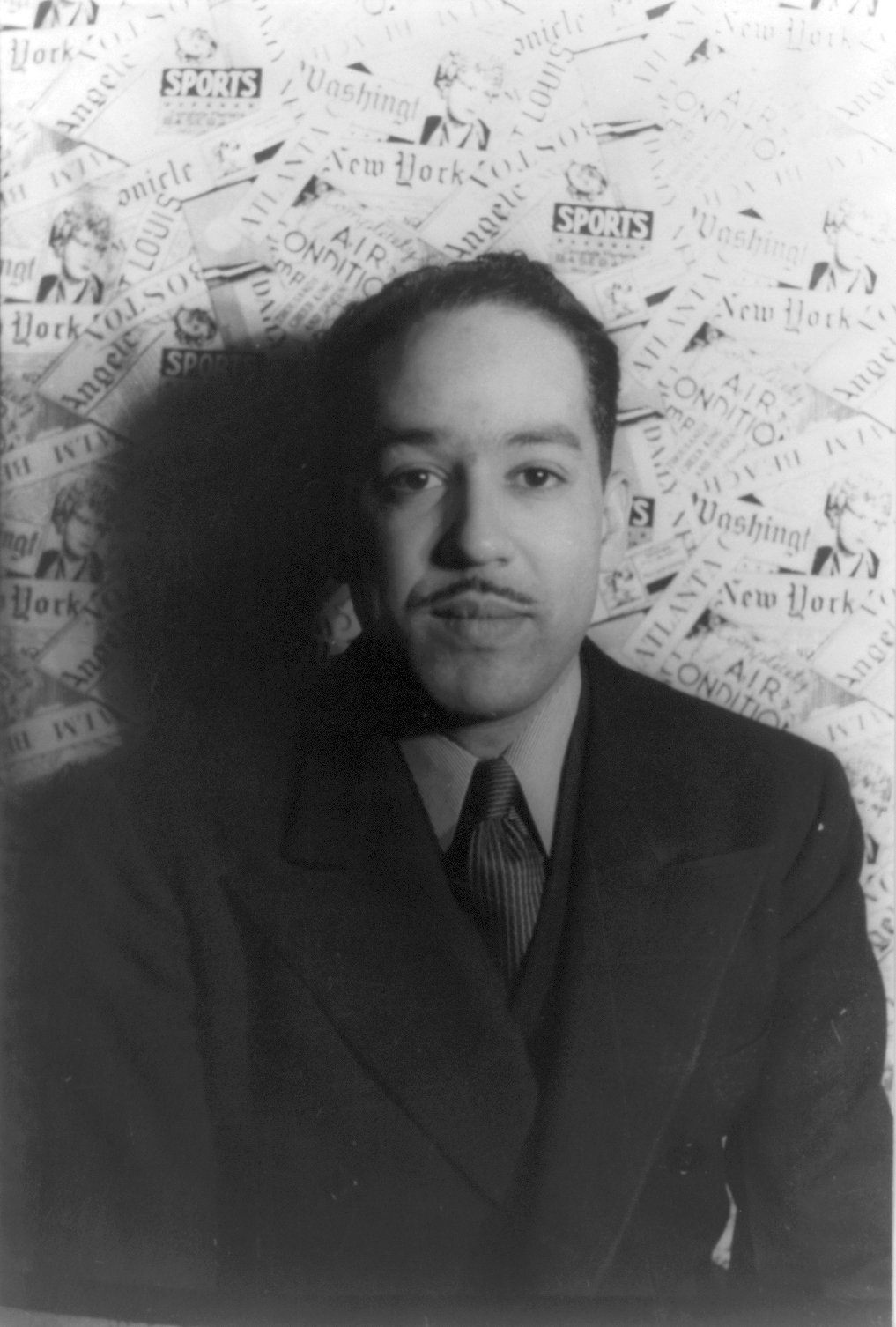
This lesson walks through the key ideas of the unit and then applies them to three literary works. Start with the Gallery above, then read on.
Literature's medium is language, and language works differently from paint or stone. Words carry both sound and meaning. They denote (literal meaning) and connote (associations, overtones, emotional shadings). A poem's power often comes from the gap between what words say literally and what they suggest.
This lesson also emphasizes that literature unfolds in time. A painting gives you everything at once. A poem or story gives you one word at a time, and you must hold earlier words in memory as new ones arrive. That sequential quality is part of the form.
This lesson identifies three kinds of narrative. Episodic narratives (like the epic) consist of loosely connected adventures. Organic narratives integrate every detail tightly so that nothing can be removed without damaging the whole. Quest narratives center on a protagonist searching for something of supreme value.
These structures shape how we experience the story. An episodic narrative allows you to enter and exit at various points. An organic narrative demands that you follow it from beginning to end because each part depends on what came before. A quest narrative builds suspense around whether the protagonist will find what they seek.
The lyric is usually a poem that reveals a single, concentrated feeling about something. Unlike narrative, it does not tell a story. It captures a moment, a mood, or an insight. This lesson introduces the concept of the objective correlative: an object or situation that embodies an emotion without naming it directly. When a poet describes a bare tree in winter, the tree is not just a tree; it correlates with feelings of loss or emptiness.
Literary details are the tools poets and writers use to make language vivid. Images ask you to picture what is being described. Metaphors compare two unlike things to heighten perception. Similes make the comparison explicit (using "like" or "as"). Symbols are images that carry meaning beyond their literal content. Diction is word choice, and it determines the tone and texture of the writing.
Literature is made of language, and language is also sound. The best way to notice a poem's form is to read it aloud, slowly, twice. The first time, listen for sound: rhyme (matching end sounds), alliteration (repeated opening consonants), and the way vowels slow or speed a line. The second time, listen for rhythm, the pattern of stressed and unstressed syllables that gives lines their pulse.
Poets also control line breaks and stanzas. A line break makes you pause, even when the sentence keeps going, and a stanza break works like a paragraph. Emily Dickinson's poem moves in short, hymn-like stanzas whose steady beat suggests the slow drive of the carriage. Langston Hughes's "Harlem" has no steady meter at all: its short, uneven lines, and the single-line break before "Or does it explode?", make the final question land like a sudden noise. In both cases the form is doing part of the work of the meaning.
When you describe a poem, name three things: what you hear (sound), how it moves (rhythm and line), and how it is arranged on the page (stanza and shape). Then ask how each choice supports what the poem says.
Literature reaches us through physical objects, and those objects shape what we read. Shakespeare wrote for the stage, but the plays we read come from the First Folio, a large printed collection of 1623, seven years after his death. Without it, about half of his plays might have been lost.
Emily Dickinson wrote nearly eighteen hundred poems, but only a handful appeared in print during her life; she kept most of them in handmade booklets, and her dashes and capitals are part of how the poems look and sound. Mary Shelley's Frankenstein first appeared in 1818 without her name on the title page; its subtitle, The Modern Prometheus, links the story to a Greek myth of a creator who defied the gods. Walt Whitman published the first edition of Leaves of Grass in 1855 at his own expense, with an engraved portrait in place of an author's name on the title page.
Look at the works in the Gallery as objects. Ask who made them, who paid, who was allowed to read them, and how the design of the page invites you to read. Literature is not only the words; it is also the book, the voice, and the reader.
Supplemental Works
The works below expand on the concepts you just learned. Each one connects to a concept from the lesson and gives you a chance to practice the kind of thinking this unit introduces.
He kindly stopped for me –
The Carriage held but just Ourselves –
And Immortality.
We slowly drove – He knew no haste
And I had put away
My labor and my leisure too,
For His Civility –
We passed the School, where Children strove
At Recess – in the Ring –
We passed the Fields of Gazing Grain –
We passed the Setting Sun –
Connects to: The Lyric / Metaphor / Objective Correlative
Dickinson's poem is a lyric about death, but it never uses the word "die" or "dying." Instead, death arrives as a gentleman caller in a carriage, and the poem describes a slow drive past the stages of life: childhood (the school), maturity (the gazing grain), and decline (the setting sun). The metaphor transforms death from an event to be feared into a social visit, almost courteous.
The objective correlatives here are the images the carriage passes: school, grain, sun. Each one stands for a phase of life without the poem having to explain the connection. That restraint is part of what makes the poem powerful. Dickinson trusts the images to carry the meaning.
Try this
The poem describes death as "kindly" and credits him with "civility." Is this sincere, or is it ironic? How does your reading change depending on whether you take those words at face value or as a mask for something darker?
Does it dry up
like a raisin in the sun?
Or fester like a sore—
And then run?
Does it stink like rotten meat?
Or crust and sugar over—
like a syrupy sweet?
Maybe it just sags
like a heavy load.
Or does it explode?
Connects to: Image / Simile / Diction
Hughes's poem is eleven lines long. It asks a single question ("What happens to a dream deferred?") and then answers it with five similes, each more intense than the last. The images are all physical and sensory: a dried raisin, a festering sore, rotten meat, a sugary crust, a heavy load. The final line, set apart in italics, offers no simile at all. It simply asks: "Or does it explode?"
Notice the diction. Every image involves decay, weight, or decomposition. Hughes is writing about the experience of African Americans whose aspirations have been systematically blocked, and his word choices make the frustration physical. The final line's shift from simile to direct question, from specific images to a single abstract verb, is a formal choice that carries enormous force.
Try this
The poem uses five similes and one direct question. Why does Hughes save the most powerful line for the end, and why does he use italics? How would the poem's effect change if he had put "does it explode?" first?
Connects to: Narrative Structure / Organic Narrative / Theme
Borges's short story is structured as a spy thriller set during World War I, but it is actually a meditation on time, choice, and the nature of narrative itself. The protagonist, a Chinese professor working as a German spy in England, must transmit a secret message. To do so, he visits a scholar who has been studying a novel written by the protagonist's ancestor, a novel in which every possible outcome of every event occurs simultaneously.
This is an organic narrative in this lesson's sense: every detail connects to the central theme. The spy plot is not separate from the philosophical puzzle; it embodies it. The protagonist's choice (which path to take, whom to kill) mirrors the structure of his ancestor's impossible novel. Borges uses the form of the story to make a claim about the nature of reality: that time is not a line but a labyrinth of branching possibilities.
You can read the full text of this story freely online. It rewards close reading and connects directly to this lesson's discussion of how narrative structure creates content.
Try this
This lesson distinguishes between episodic and organic narratives. Which type does Borges's story belong to, and why? Could any detail be removed without damaging the whole?
Unit 8 moves from literature on the page to drama on the stage. Theater shares literature's use of language and narrative, but it adds live performance, physical presence, and the unrepeatable exchange between actors and audience. The vocabulary of plot, character, and diction carries over; the experience is fundamentally different.
Experience It: Hearing "Harlem"
Read Langston Hughes's poem "Harlem" (printed above in this lesson) out loud, slowly, two times, and then try the prompts.
- Count the similes. Which one is the most vivid for you, and what does it make you see, smell, or feel?
- Where do your voice and breath slow down? Which line breaks make you pause?
- Say the last line quietly, then say it loudly. What does each choice make the poem mean?