Lesson: Photography
📷 Gallery: Photography
This lesson walks through the key ideas of the unit and then applies them to three works. Start with the Gallery above, then read on.
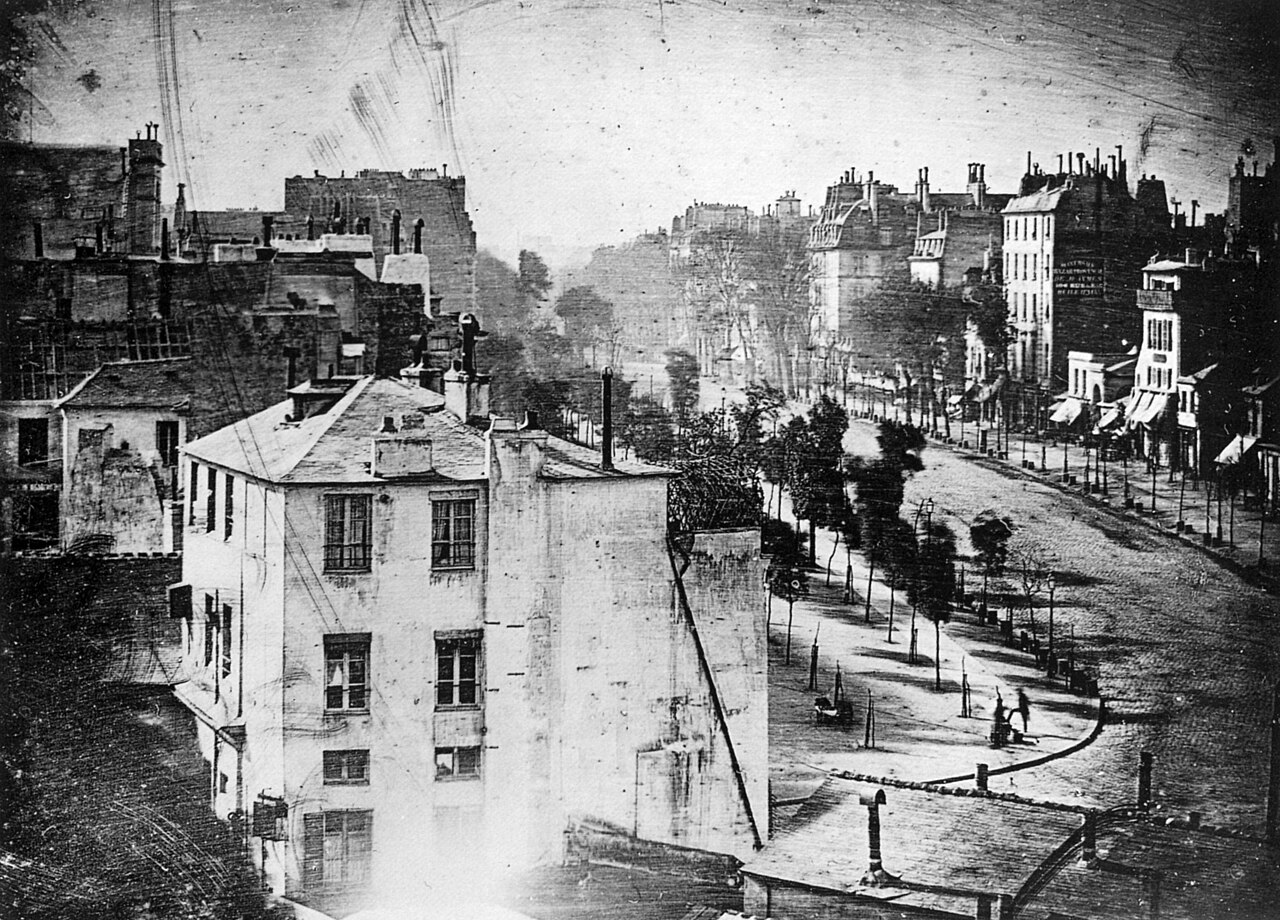
Photography was invented in the 1830s, and from the beginning, people asked whether it could be art. The argument against: a camera simply records what is in front of it, so where is the artistic form? The argument for: the photographer makes decisions about framing, lighting, focus, timing, and subject that are as deliberate as a painter's choices about composition and color. Unit 11 traces how photographers have responded to this tension.
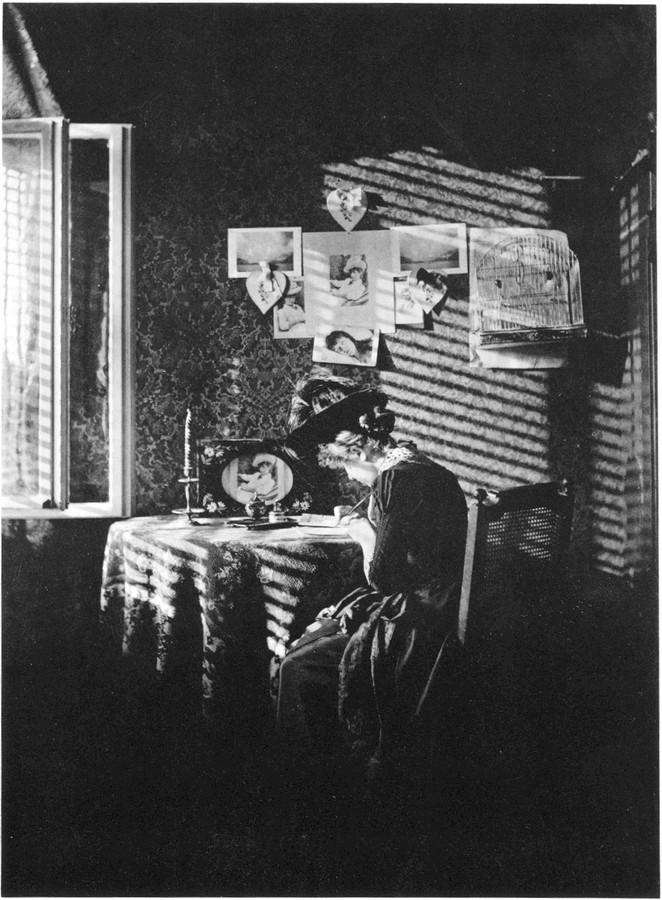
Pictorialists imitated painting: soft focus, dramatic lighting, sentimental subjects. They wanted photography accepted as a fine art and borrowed painting's techniques to get there. Straight photographers (including the f/64 Group and Edward Weston) rejected pictorialism and embraced what was unique about the camera: sharp focus, precise detail, depth of field. Documentary photographers (Dorothea Lange, Walker Evans) used the camera to record social conditions, often with political intent. The best documentary work achieves what this lesson calls the "decisive moment": the peak of intensity in a scene, captured at the exact right instant.
This lesson introduces a useful concept: sentimentality, which it defines as the falsifying of feelings by demanding easy responses. Pictorialist photography is often sentimental because it manipulates the image to produce an emotional response that the subject matter does not earn. The modern eye, by contrast, accepts clutter, accident, and unresolved tension. It catches reality rather than composing it.
Photography seems automatic, but every photograph is the result of choices. Framing decides what is in the picture and what is left out; a few steps to the left, and the meaning changes. Point of view (from above, at eye level, from below) shapes how the viewer relates to the subject. Focus and depth of field decide what is sharp: a wide aperture blurs the background and isolates a subject, while the tiny aperture of the f/64 Group keeps everything sharp from front to back. Shutter speed decides how time is shown: a fast shutter freezes a moment, and a slow one blurs motion into streaks. Light, natural or artificial, sets mood and shape.
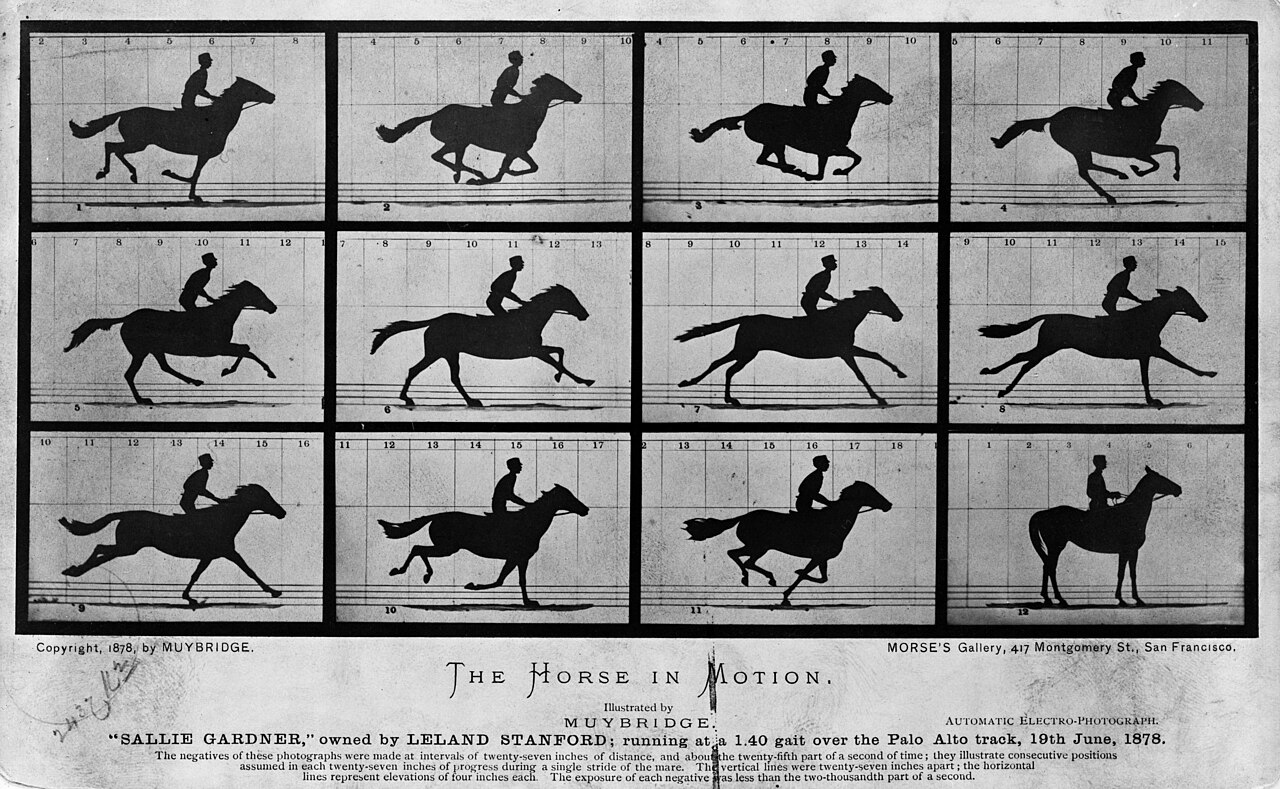
Eadweard Muybridge used very fast shutters in 1878 to freeze a galloping horse in a series of pictures and showed that at one moment all four hooves are off the ground, something no one could see by eye. Photography does not only record what we see; it reveals what we cannot.
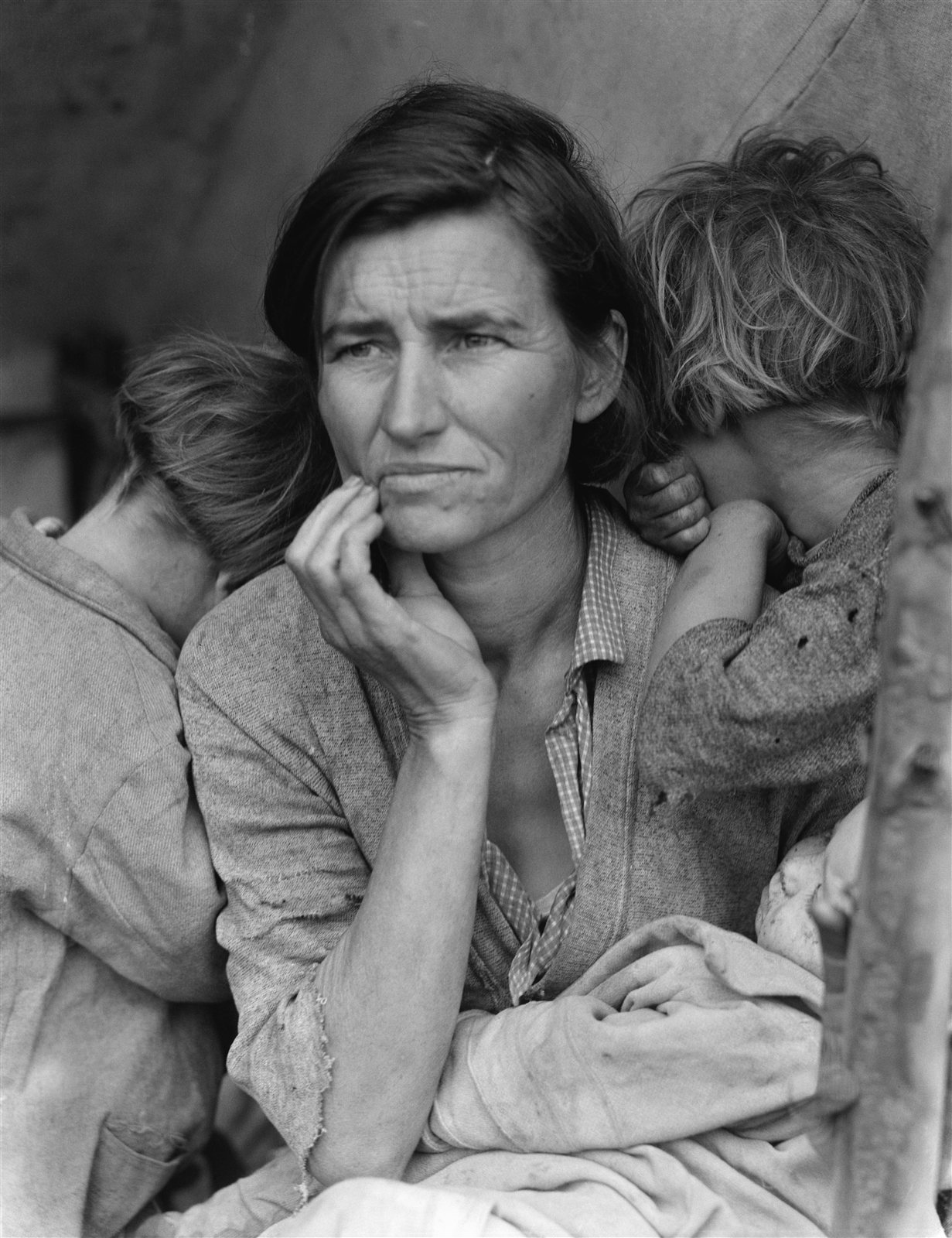
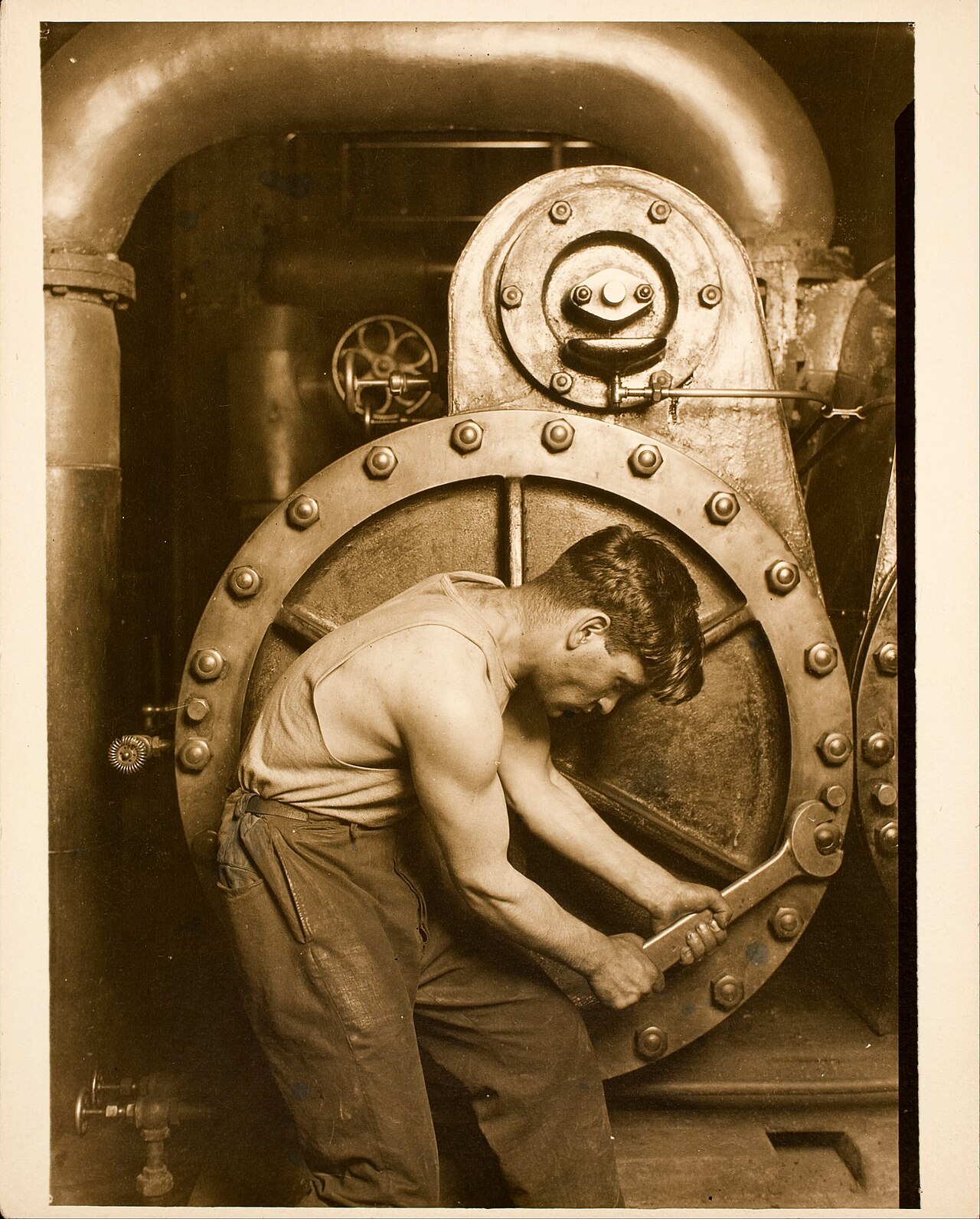
Because a photograph is made by light from a real scene, we tend to treat it as evidence. Documentary photographers use that trust. Lewis Hine photographed child laborers and factory workers in the early twentieth century to persuade the public to demand reform. Dorothea Lange's Migrant Mother became a symbol of the Great Depression. Gordon Parks's photograph of Ella Watson shows how a single frame can comment on inequality.
But a photograph is also a made thing. Lange selected one of several exposures, and her caption shaped how it was read. Stieglitz's Paula uses soft light and careful composition to turn a girl writing at a desk into a poem of light. When you look at a photograph, ask two questions: what does it show, and what did the photographer choose to show? The first question treats the photograph as evidence; the second treats it as art. The best photographs answer both.
A method helps you slow down and see. Step one: look at what is there. Name the subject, the setting, the light, and what is sharp and what is blurred. Resist interpreting yet. Step two: look at the frame. Where are the edges, and what has been left out? Is the subject centered or off to one side? Are there lines, such as a road, a shadow, or a beam of light, that lead your eye? Step three: ask about context. When and where was this made, and for what purpose? A photograph made for a newspaper, a government agency, a family album, and a gallery wall is read differently. Step four: ask what it does. What feeling or idea does it produce, and which choices from steps one and two produce it?
Try the method on Lewis Hine's Powerhouse Mechanic from the Gallery. In step one you might notice a worker bent over a huge machine, lit from the side. In step two, the diagonal of his body and the wrench leads your eye through the picture, and the machine fills the frame. In step three, you learn that Hine photographed workers in the early twentieth century to show the dignity of labor and the human cost of industry. In step four, you can say how the composition makes an ordinary worker look heroic. Each step supports the next, which is why a photograph that looks simple can reward long attention.
Supplemental Works
The works below expand on the concepts you just learned. Each one connects to a concept from the lesson and gives you a chance to practice the kind of thinking this unit introduces.
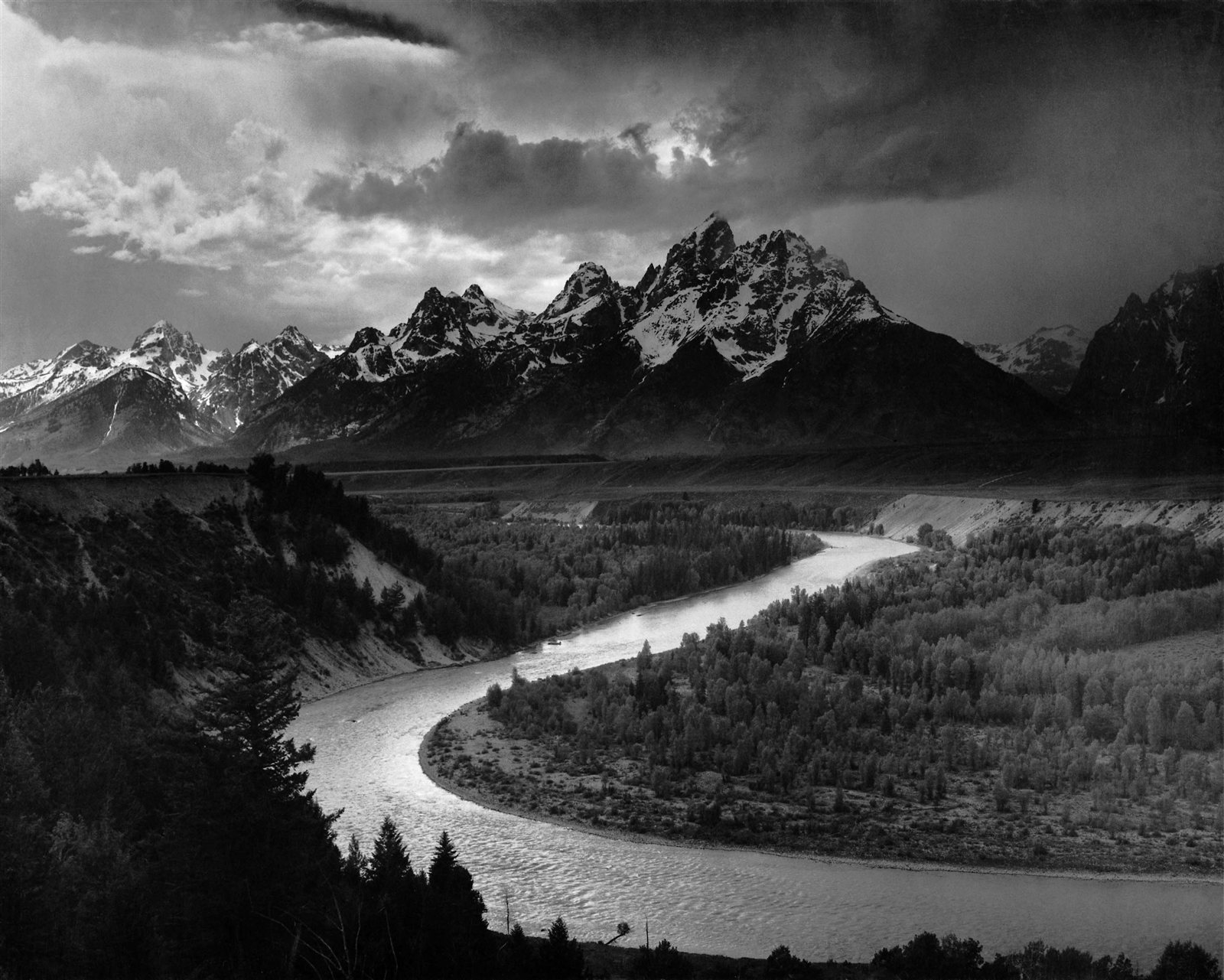
Connects to: Straight Photography / f/64 Group / Composition
Adams was a founding member of the f/64 Group, named for the smallest aperture setting on a camera, which produces maximum depth of field (everything in focus from foreground to background). His landscapes are meticulously composed and printed with extraordinary tonal range. The Tetons and the Snake River (1942) shows how a straight photographer uses the elements of photography (light, framing, tonal contrast) to produce artistic form without imitating painting.
Try this
Adams spent hours in the darkroom adjusting the contrast, brightness, and tonal range of his prints. Is this manipulation, or is it the photographic equivalent of a painter's compositional choices? Where is the line between "straight" photography and altering reality?
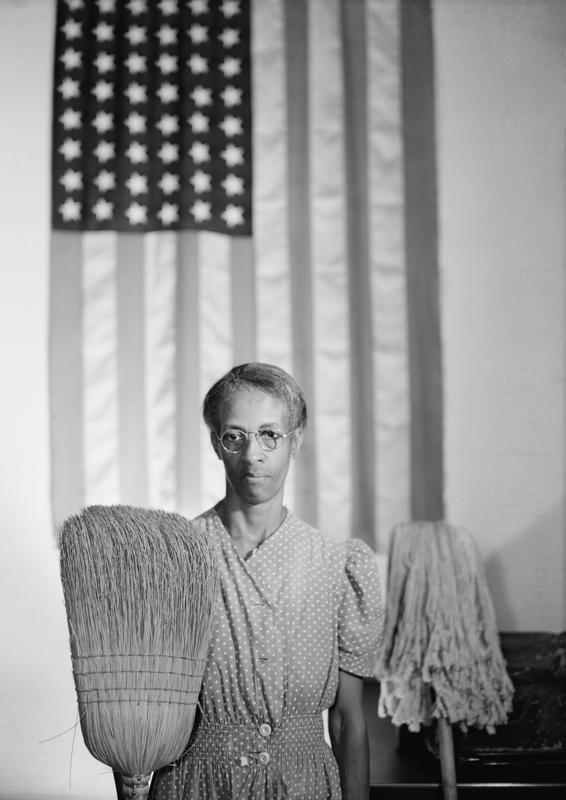
Connects to: Documentary Photography / Subject Matter and Content / Background Knowledge
Parks, the first African American photographer at Life magazine, made this photograph of Ella Watson, a cleaning woman at the Farm Security Administration building in Washington, D.C. Watson stands in front of an American flag, holding a broom and a mop. The composition deliberately echoes Grant Wood's famous painting American Gothic (1930), but the content is entirely different. Where Wood's painting depicts white rural property owners, Parks's photograph shows a Black woman whose labor maintains the government building but whose citizenship is diminished by segregation.
Try this
The title and the compositional reference to Grant Wood's painting are essential to understanding this photograph's content. Without knowing Wood's painting, what would you see? With that knowledge, what additional meaning emerges? This is a direct test of this lesson's claim that background knowledge deepens perception.
Connects to: The Modern Eye / Framing / The Decisive Moment
Maier was a nanny in Chicago who spent decades photographing street life with a Rolleiflex camera. Her work was discovered only after her death. She took over 100,000 photographs, mostly of strangers on the street, and never exhibited or published any of them. Her photographs demonstrate the "modern eye" this lesson describes: quick, candid, attentive to the accidental arrangements of city life.
Try this
Maier chose subjects, timed her shots, and framed her compositions, but she never manipulated the scenes. Is her work closer to pictorialism, straight photography, or documentary photography? Or does it fit none of those categories? What does her case tell us about the relationship between intention and artistic form?
Unit 12 moves from the still image to the moving image: cinema. Photography captures a single moment; film unfolds in time. The vocabulary of framing, light, and composition carries over, but cinema adds editing, sound, and the illusion of continuous motion.
Experience It: What Did the Photographer Choose?
Open Dorothea Lange's Migrant Mother in the Gallery above and look at it for two minutes.
- List the choices the photographer made: framing, point of view, focus, light, and the moment she pressed the shutter.
- Imagine the same scene photographed from farther away, or from the side. What would be lost?
- Is this photograph more like evidence or more like art? Support your answer with one specific detail.