Lesson: Sculpture
🎨 Gallery: Sculpture
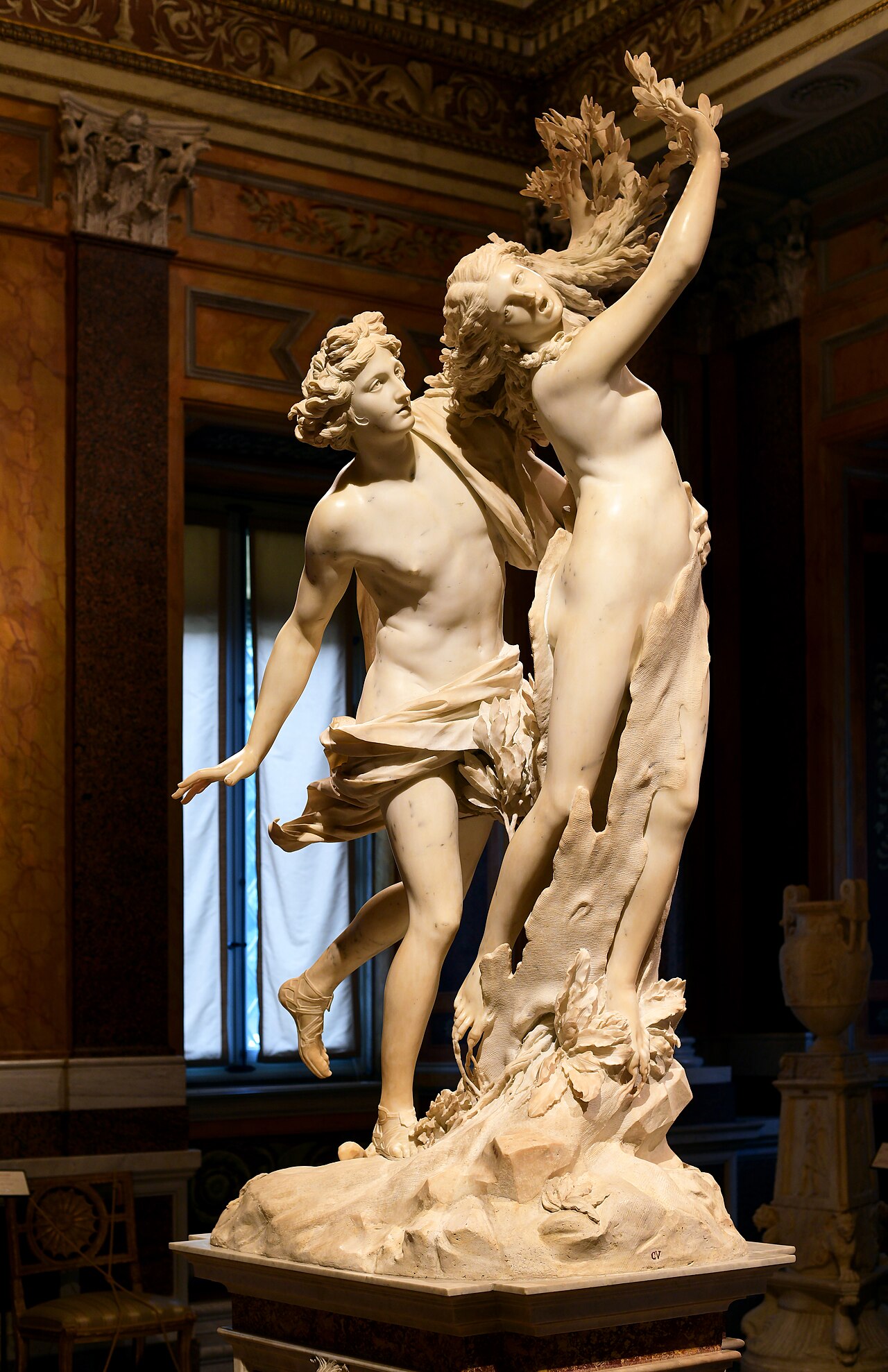
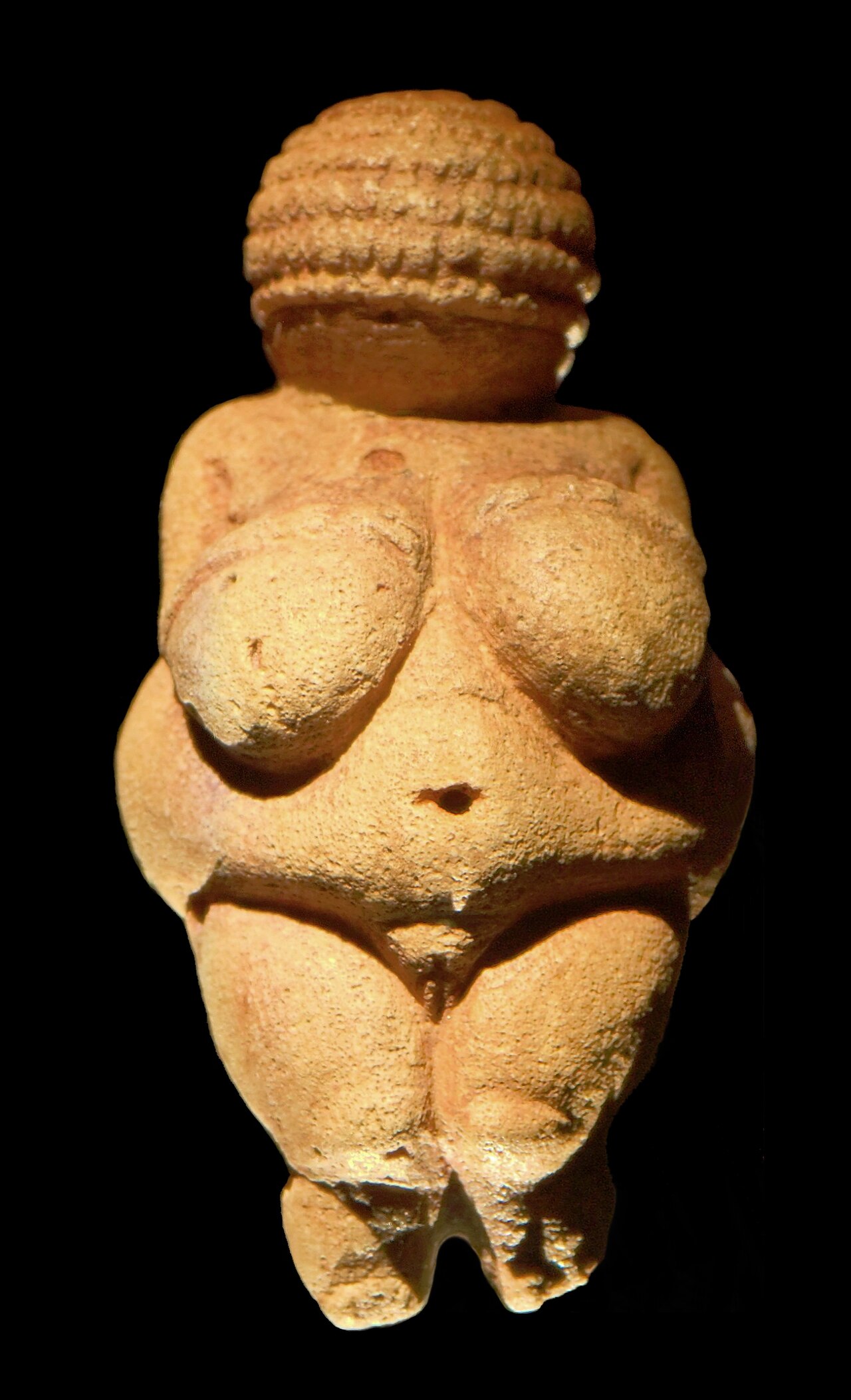
This lesson walks through the key ideas of the unit and then applies them to three sculptures. Start with the Gallery above, then read on.
Painting is visual. Music is auditory. Sculpture engages both sight and, at least imaginatively, touch. When you look at a marble figure, you sense its weight, its coolness, its smoothness. When you look at a rough bronze casting, you sense the texture even without laying a hand on it. This lesson calls these sensory interconnections, and they are fundamental to how sculpture works.
The medium of sculpture is three-dimensional material: stone, wood, metal, clay, plaster, found objects, even light and space. Unlike painting, sculpture occupies the same physical space you do. It has mass (how much material it contains) and volume (how much space it displaces). These physical qualities give sculpture a presence that flat images cannot achieve.
The unit covers four major techniques. Carving removes material from a block (stone, wood). Modeling builds up material (clay, wax). Casting pours molten material (usually bronze) into a mold. Construction assembles separate pieces. Each technique produces different qualities of surface, weight, and texture.
Not all sculpture is freestanding. This lesson distinguishes three types of relief: sunken relief (carved into a surface), low relief (projecting slightly from a background), and high relief (projecting substantially, with figures nearly detaching from the background). In all three, the sculpture remains attached to a plane.
Sculpture in the round is freestanding and meant to be seen from multiple angles. Walking around it changes what you see. This lesson emphasizes that a freestanding sculpture has no single "correct" viewpoint; each angle reveals different relationships between forms. This is a fundamental difference from painting, which fixes the viewer's position.
Key Distinction
Sensory space: the space around a sculpture is not empty. It is shaped by the sculpture's mass and volume. A sculpture organizes the space around it, drawing you in, pushing you back, or inviting you to circle. Paying attention to sensory space is essential to understanding how sculpture works.
The human body has been sculpture's primary subject for thousands of years. This lesson argues that this is not accidental. When we see a sculpted body, we project our own physical sensations onto it. A tensed muscle, a twisted torso, a reaching hand: these forms produce what this lesson calls an objective correlative, an external image that corresponds to an internal feeling.
Ancient sculpture often represented gods in idealized human form. Modern sculpture has expanded the range of what the body can express: fragmentation, distortion, abstraction, and vulnerability are all part of the vocabulary now.
Two sculptures separated by roughly twenty-seven thousand years show how much the body can carry. The Venus of Willendorf is a limestone figurine about eleven centimeters tall (a little over four inches), found in Austria in 1908 and dated to around 25,000 BCE or earlier. It fits in the palm of a hand. Its face has no features, but its breasts, belly, and hips are large and carefully rounded, and its hair is shown in neat rows. Whatever its original purpose, its form concentrates attention on the body as a source of life.
Gian Lorenzo Bernini's Apollo and Daphne (1622–1625) is carved from marble and stands life-size in the Galleria Borghese in Rome. It shows a moment from the Roman poet Ovid's Metamorphoses: Apollo has almost caught Daphne, but at the instant he touches her she begins to turn into a laurel tree. Bark spreads up her thigh, her fingers sprout leaves, and her toes become roots. Marble that looks as soft as skin and as light as leaves is a technical triumph, and the sculpture is meant to be circled: from one side you see the chase, from another the transformation.
Notice the difference in scale and intention. The Venus is small enough to hold and asks you to attend to the body's fullness; the Bernini is large enough to meet at eye level and asks you to follow a story as you walk around it. Both prove the lesson's point that a sculpted body invites you to feel with it.
Sculpture is always measured against your own body, and artists use that fact. A tiny figure draws you close and makes the act of looking private. A monumental figure, like Bourgeois's thirty-foot spider, makes you feel small and sometimes uneasy. Rodin's The Thinker is slightly larger than life, so you look up at a body heavier than your own.
The pedestal matters too. A statue on a high base sets its subject apart from everyday space and says the person or idea it shows is to be honored. A sculpture set directly on the ground, as many modern works are, shares your space and invites you into it. When you look at any sculpture, ask three questions: How big is it compared with me? Where does it stand, on a base or on the ground? Does it ask me to look up, look down, or look straight across? The answers are part of what the work says.
Supplemental Works
The works below expand on the concepts you just learned. Each one connects to a concept from the lesson and gives you a chance to practice the kind of thinking this unit introduces.
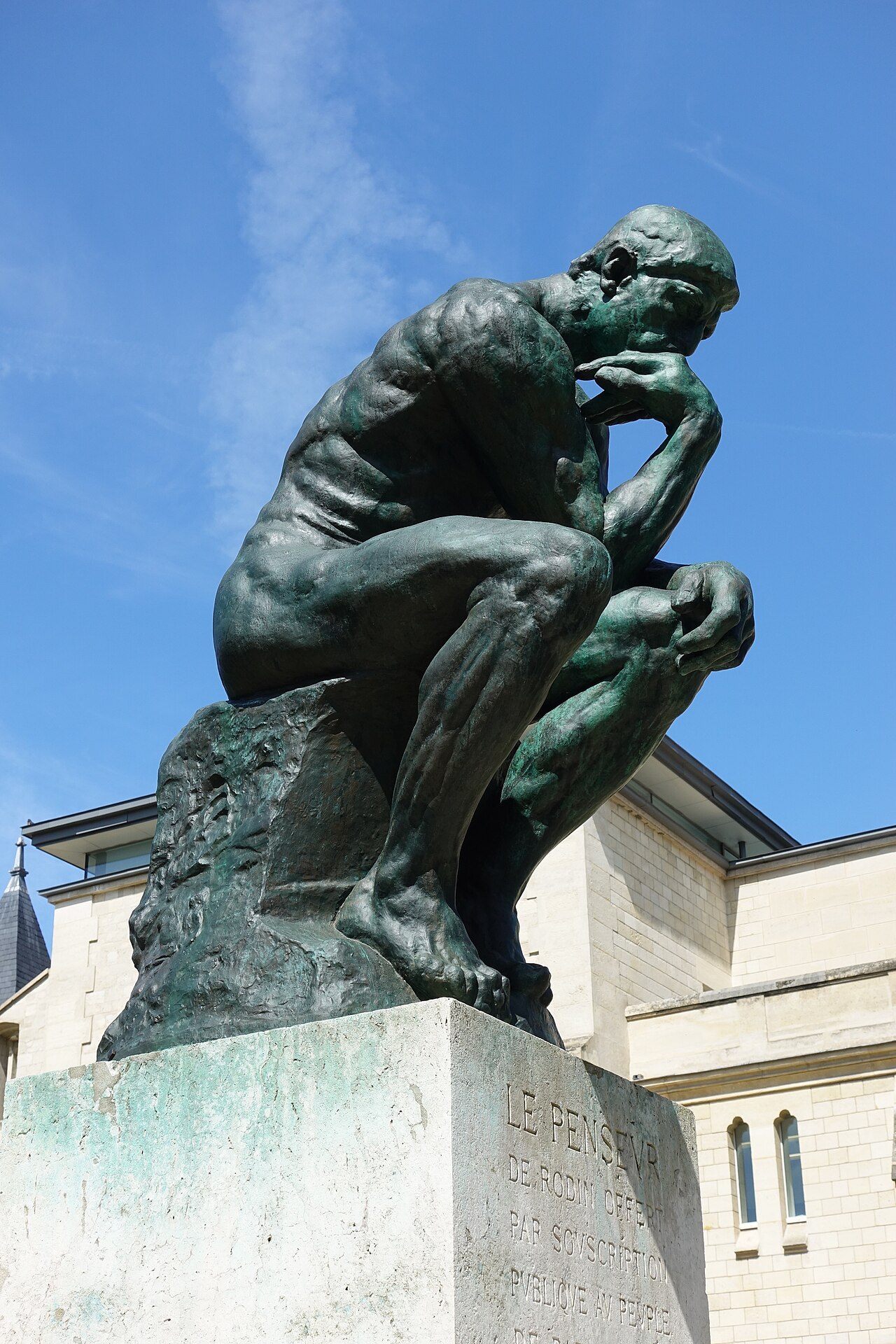
Auguste Rodin, The Thinker, 1904. Bronze, 186 cm. Musée Rodin, Paris. Public domain.
Connects to: Sculpture and the Human Body / Sensory Space
Rodin's The Thinker is one of the most recognized sculptures in the world. A nude male figure sits hunched forward on a rock, his right elbow resting on his left knee, his chin pressed against his fist. Every muscle is tense. The pose is compact, folded inward, as if thought itself were a physical effort.
The sculpture was originally conceived as part of a larger work called The Gates of Hell, where the figure sat above a scene of tormented souls, contemplating their suffering. Knowing this background changes the content. The figure is not merely "thinking" in some generic sense; he is witnessing human anguish and struggling to comprehend it. That subject matter (the weight of moral awareness) is expressed entirely through the body's form: the tension in the shoulders, the pressure of the hand against the face, the forward lean that suggests both engagement and burden.
Notice the sensory space around the sculpture. Rodin designed it to be seen from below, looking up, which increases the sense of the figure's weight and density. The tight, compressed pose draws space inward rather than reaching outward. You feel the gravity of thought as physical mass.
Try this
If you could walk around this sculpture, how would it look from behind? From the side? This lesson says sculpture in the round has no single correct viewpoint. What does the front view emphasize that a side view might not?
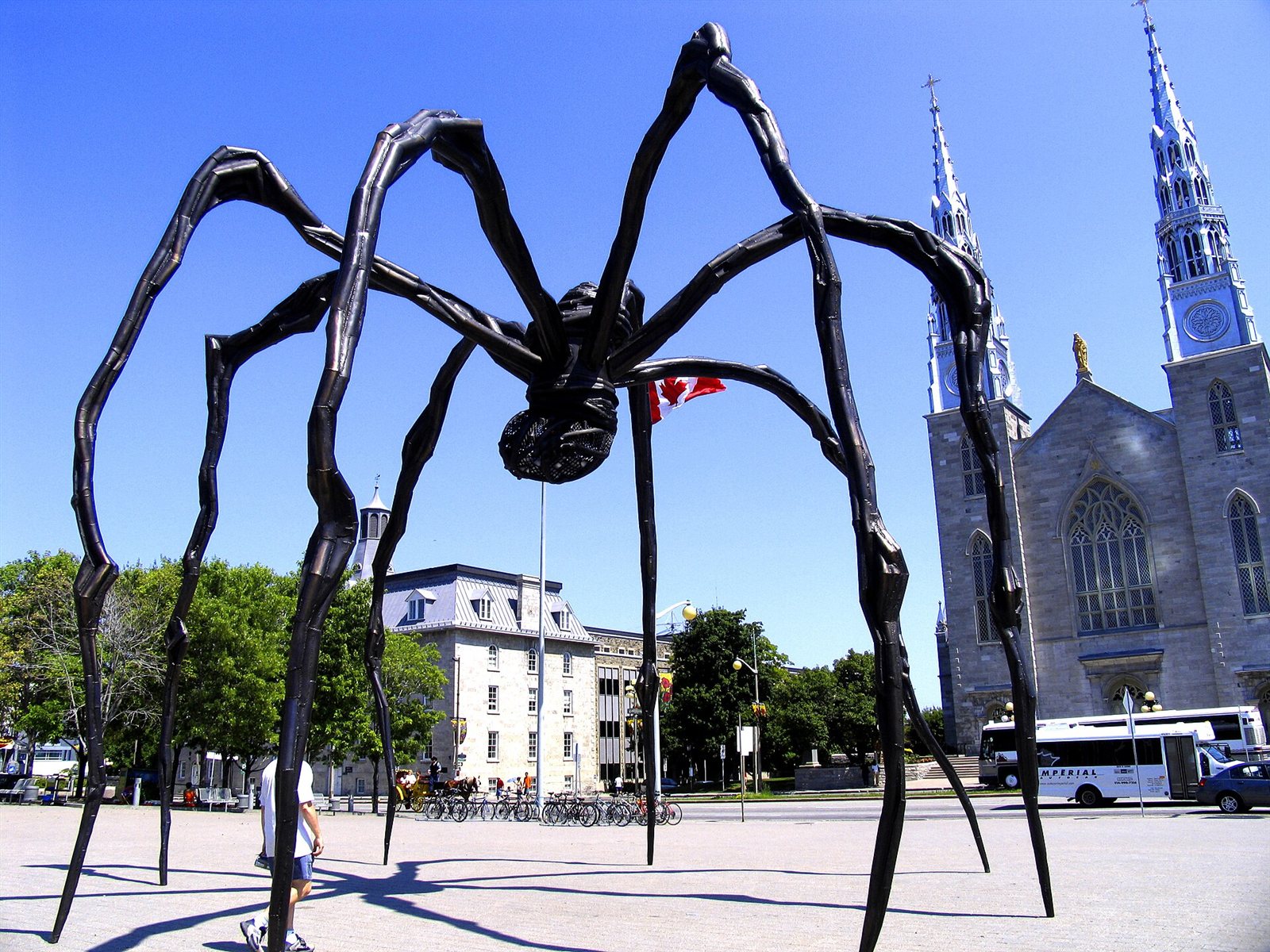
Louise Bourgeois, Maman, 1999. Bronze, stainless steel, and marble, 927 × 891 × 1024 cm. National Gallery of Canada, Ottawa (shown). Public domain.
Connects to: Sensory Space / Abstract vs. Representational Sculpture
Bourgeois was 87 years old when she created Maman (French for "Mom"), a 30-foot-tall spider cast in bronze and stainless steel. The title is the key to the content: this enormous, possibly terrifying creature is a portrait of the artist's mother, who was a weaver and tapestry restorer. Bourgeois associated spiders with protection, patience, and industriousness.
The sculpture's sensory space is remarkable. You stand underneath it, dwarfed by the arching legs. The sac of marble eggs visible beneath the abdomen adds vulnerability to what initially seems menacing. The tension between the scale (threatening) and the subject matter (maternal care) is where the content lives. Bourgeois uses the physical presence of sculpture, the fact that it occupies the same space you do, more aggressively than almost any other artist.
Try this
Your first reaction to a 30-foot spider is probably not "motherhood." How does knowing the title and the artist's intention change your perception of the work? Does it change your physical response to standing under it, or does the scale override the interpretation?
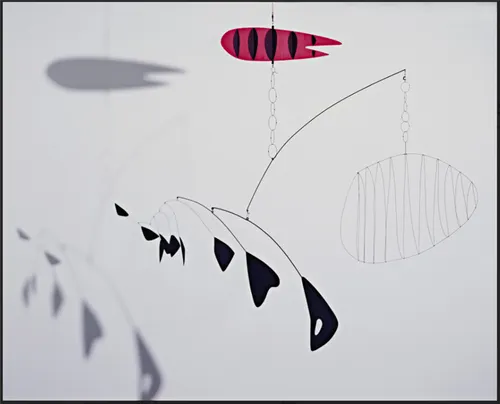
Alexander Calder, Lobster Trap and Fish Tail, 1939. Hanging mobile: painted sheet metal and steel wire, approx. 260 × 290 cm. Museum of Modern Art, New York.
Connects to: Constructivist Sculpture / Movement / Abstract Sculpture
Calder's mobiles are sculpture that moves. Lobster Trap and Fish Tail hangs from the ceiling of MoMA's stairwell, and its flat metal shapes (painted red, yellow, blue, and black) shift and rotate with air currents. The sculpture is never the same twice. Unlike a static bronze or marble figure, a Calder mobile changes its composition continuously.
This raises an interesting question about the "all-at-onceness" that this lesson attributes to painting. A painting gives you everything simultaneously. A mobile gives you something different every moment. The sculpture's form is not fixed; it is a set of possibilities governed by balance, weight, and chance. Calder's work is constructivist sculpture (assembled from separate pieces rather than carved or cast), and it challenges traditional assumptions about what sculpture should be: heavy, stable, permanent.
Try this
This lesson distinguishes between sculpture's sensory space and the space inside architecture. A Calder mobile hangs in space rather than occupying it the way Rodin's Thinker does. How does this change the relationship between the viewer and the work? Do you walk around it, or does it move around you?
Unit 6 moves from sculpture to architecture. Where sculpture fills space, architecture encloses it. The same questions about form, function, and values apply, but architecture adds the dimension of use: a building must work as a shelter, a gathering place, or a container for human activity. The relationship between form and function is one of the oldest questions in the arts.
Experience It: Walking Around Apollo and Daphne
Open Bernini's Apollo and Daphne in the Gallery above. You cannot walk around it on a screen, so use your imagination, and then search for a video walk-around of the sculpture to check your guesses.
- From the front, what is happening? Write one sentence about the story the figures seem to tell.
- Imagine standing behind and to the left of the figures. What do you think you would see that you cannot see now? Then check against a walk-around video.
- Where does the sculpture ask you to place your body, and where does your eye travel as you circle it? Why might the sculptor have wanted a story that cannot be taken in from one position?